How Different Rewards Create Different Reactions
20 August 2026 | 215
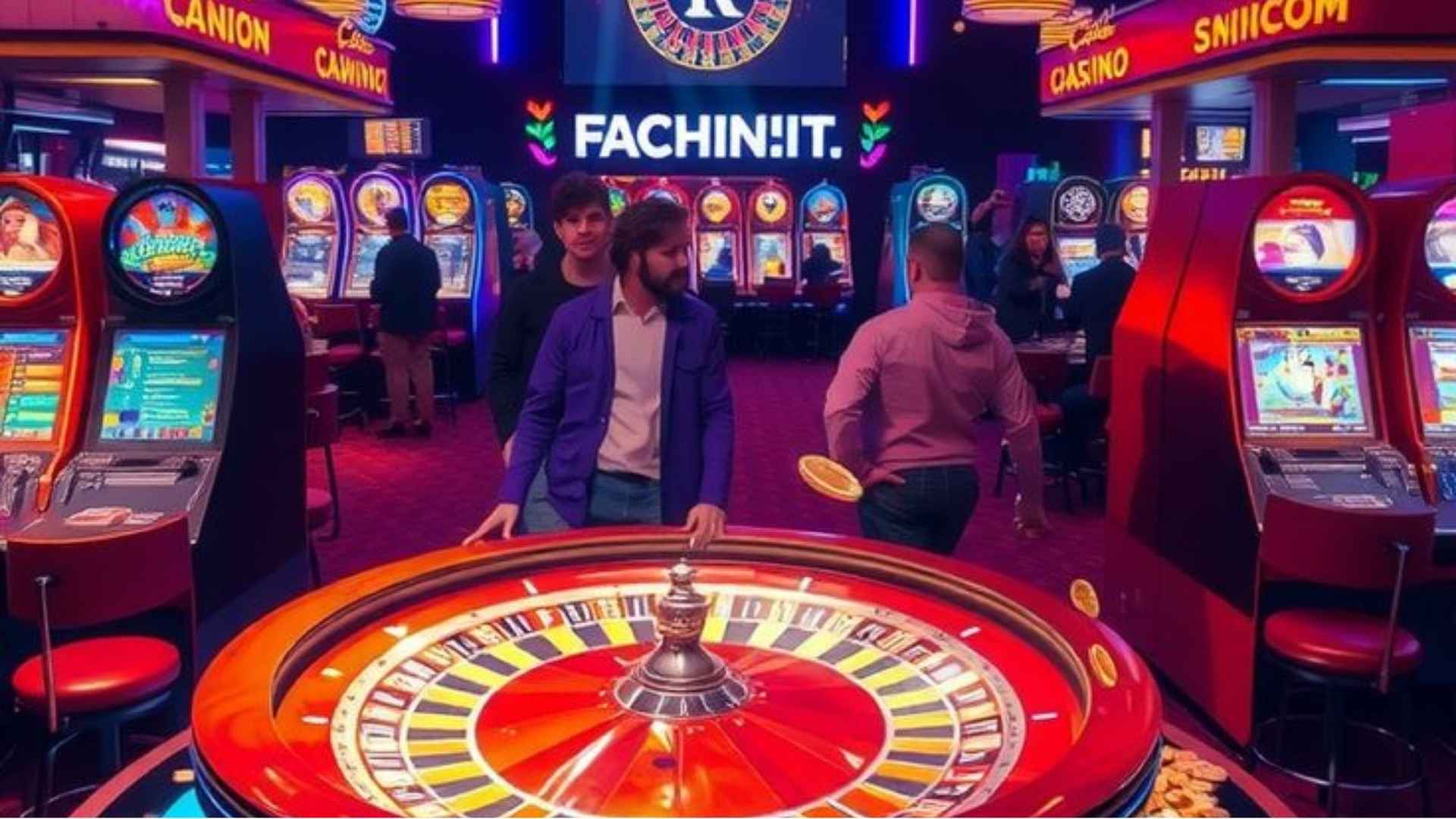
Human behavior is fundamentally driven by incentives, yet the exact nature of an incentive dictates the emotional and cognitive feedback loop that follows. From corporate environments to digital entertainment platforms, understanding how various incentives trigger unique psychological responses is key to sustaining long-term engagement. When structured properly, a well-placed milestone can completely transform a user journey from a routine task into an exciting exploration.
The Psychological Contrast of Tangible and Intangible Incentives
Material incentives like cash bonuses or physical gifts offer immediate, practical value that satisfies clear short-term goals. However, research indicates that non-material recognition, such as public praise or an elevated digital status, often builds stronger internal motivation over extended periods. Balancing these two components helps creators design systems that feel both instantly gratifying and deeply fulfilling.
When a system relies too heavily on physical payouts, users can develop a transactional mindset that fades once the material payout stops. In contrast, experiential milestones foster emotional investment, making individuals feel personally connected to their achievements. Successful modern frameworks frequently merge both styles to appeal to diverse demographics simultaneously.
How Predictable versus Variable Milestones Alter Focus
The timing of an incentive plays a massive role in shaping human anticipation and ongoing cognitive focus. Fixed milestones provide stability and a clear roadmap, allowing participants to plan their efforts with complete certainty. While this transparency reduces initial skepticism, it can occasionally lead to routine fatigue if the journey becomes too formulaic.
On the other hand, unpredictable or randomized incentive structures activate deeper neural path systems tied to curiosity and surprise. This unexpected element triggers a natural surge in alertness as individuals eagerly wait to see what outcome will reveal itself next. To access these dynamic setups safely, users often seek direct platforms through a reliable m88 link login to experience modern interactive designs firsthand.
The Behavioral Shift Caused by Instant Satisfaction
Modern digital spaces are heavily optimized around the concept of micro-bursts of satisfaction that require minimal waiting periods. When a user receives immediate positive feedback after completing a basic action, the brain experiences a rapid release of dopamine. This instant reinforcement loops back to encourage immediate repetition, making the overall interface feel highly responsive.
While instant validation works perfectly for casual entertainment, prolonged engagement sometimes requires deeper, tiered progression systems. Combining quick wins with larger, delayed milestones ensures that participants do not lose interest after the initial excitement settles. This dual pacing keeps the user journey balanced, preventing both immediate boredom and long-term burnout.
Designing Balanced Ecosystems for Diverse Human Reactions
Every individual reacts differently to specific types of validation based on their personal habits and cognitive motivations. Some people are naturally drawn to highly competitive leaderboards, while others prefer quiet personal progression and steady point accumulation. Building a flexible ecosystem that accommodates these varied preferences is essential for any modern platform.
Ultimately, the art of incentive design relies on transparency, fair distribution, and intentional sensory presentation. By understanding the distinct psychological reactions triggered by different payouts, developers can build truly unforgettable user experiences. Keeping the balance between surprise and structure ensures that the journey remains consistently meaningful over time.